Famous Balkan Tres Leches (Trileće): The Ultimate Caramel Milk Cake
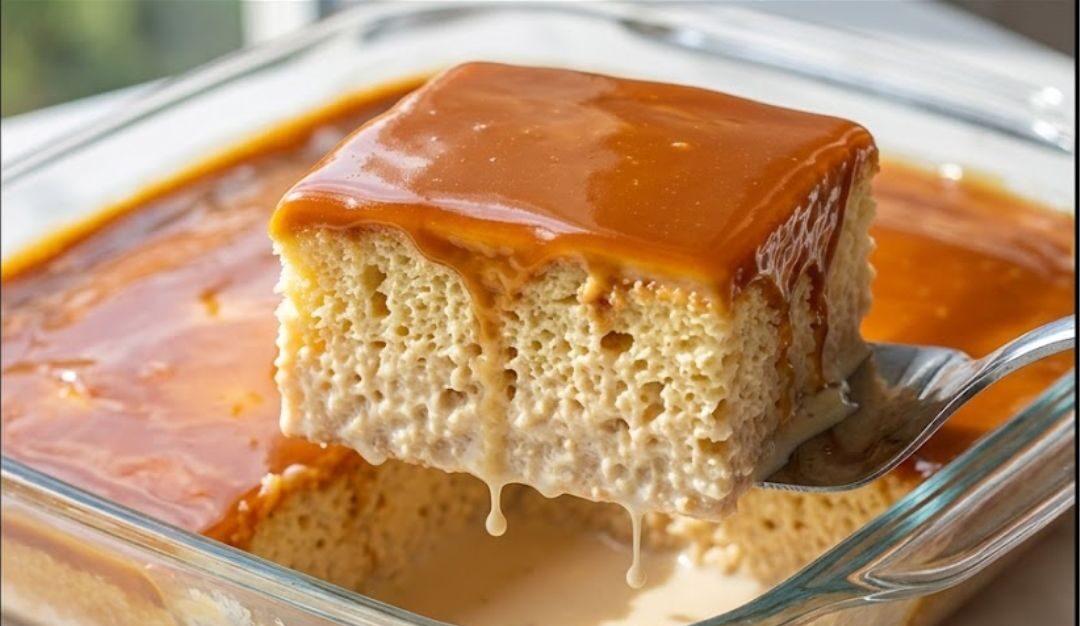
While Tres Leches originated in Latin America, it has taken the Balkan region by storm, evolving into the legendary “Čuveno Trileće.” Go to any bakery in the Balkans, and you will find this majestic, milk-soaked sponge cake topped with a rich, glossy layer of caramel. The secret to its massive popularity is the unbelievable texture: an airy, cloud-like sponge cake that magically absorbs nearly two liters of a rich “three-milk” mixture without ever becoming soggy or falling apart. Served ice cold, it is the ultimate refreshing, melt-in-your-mouth dessert that leaves everyone asking for a second slice!
Ingredients
Pastry Chef’s Note: The secret to a sponge cake that can absorb massive amounts of liquid is the eggs. You must whip the egg whites into stiff peaks separately before gently folding in the yolks and flour. Also, the temperature contrast is crucial: pour the cold milk mixture over the warm (but not piping hot) baked sponge cake!
For the Airy Sponge Cake:
-
6 large eggs (separated)
-
100g (about 1/2 cup) granulated sugar
-
200g (about 1.5 cups) all-purpose flour
-
1 tsp baking powder
For the “Three Milks” Soak:
-
500ml (about 2 cups) heavy whipping cream
-
1 liter (about 4 cups) whole milk
-
300ml (about 1.25 cups) sweetened condensed milk
For the Topping:
-
300g ready-made caramel cream (Dulce de Leche or traditional Trileće caramel)
Step-by-Step Instructions
1. Whip the Egg Whites: Preheat your oven to 350°F (180°C). Grease and flour a deep rectangular baking dish (approx. 9×13 inches). In a large, perfectly clean bowl, beat the 6 egg whites until soft peaks form. Gradually add the 100g of sugar and continue beating until you get a stiff, glossy meringue.
2. Fold in Yolks and Dry Ingredients: Lower the mixer speed and add the 6 egg yolks one by one, mixing just until combined. Turn off the mixer. Sift the 200g of flour and the baking powder over the egg mixture. Using a spatula, gently fold the flour into the eggs using a bottom-to-top circular motion. Do not overmix, or you will deflate the airy batter!
3. Bake the Sponge: Pour the batter into the prepared baking dish and smooth the top. Bake for about 20–25 minutes until the sponge is golden brown and a toothpick inserted into the center comes out clean.
4. Prepare the Milk Soak: While the cake is baking, prepare the milk bath. In a large bowl or pitcher, whisk together the 500ml of heavy cream, 1 liter of whole milk, and 300ml of sweetened condensed milk until completely combined. Keep it cold.
5. Soak the Cake: Remove the baked cake from the oven and let it cool for about 5 to 10 minutes. It should still be warm. Generously pierce the entire surface of the cake with a fork or a wooden skewer. Slowly pour the cold milk mixture all over the warm cake. Don’t panic if it looks like a swimming pool! The sponge will slowly drink up every single drop.
6. Caramel Topping and Chilling: Once the cake has absorbed the milk and cooled down to room temperature, spread the 300g of caramel evenly over the top. Cover the dish and place it in the refrigerator for at least 6 hours, preferably overnight. Serve ice cold!
FAQ (Frequently Asked Questions)
Can I make my own caramel for the topping? Yes, you can make a homemade caramel sauce. However, traditional Balkan Trileće specifically uses a slightly thicker, creamier caramel (similar to Dulce de Leche) so that it spreads evenly and doesn’t melt into the milk-soaked sponge.
Why did my cake float or become mushy? If the cake floated, it means the sponge was too dense (usually from overmixing the flour and deflating the eggs). If it became mushy, you might have poured hot milk over a hot cake. Always use cold milk over a warm cake to maintain the sponge’s structural integrity.
How long does Trileće stay fresh? Because of the high dairy content, it must be kept refrigerated. It stays wonderfully fresh and moist in the fridge for up to 4-5 days (if it lasts that long!).